No Mic, No Problem: Why Tokyo's Audio Engineers Are Building a Quieter Kind of Smart

Somewhere in a quiet lab in Akihabara, an engineer is making a product smarter by removing something from it.
Not a camera. Not a display. A microphone.
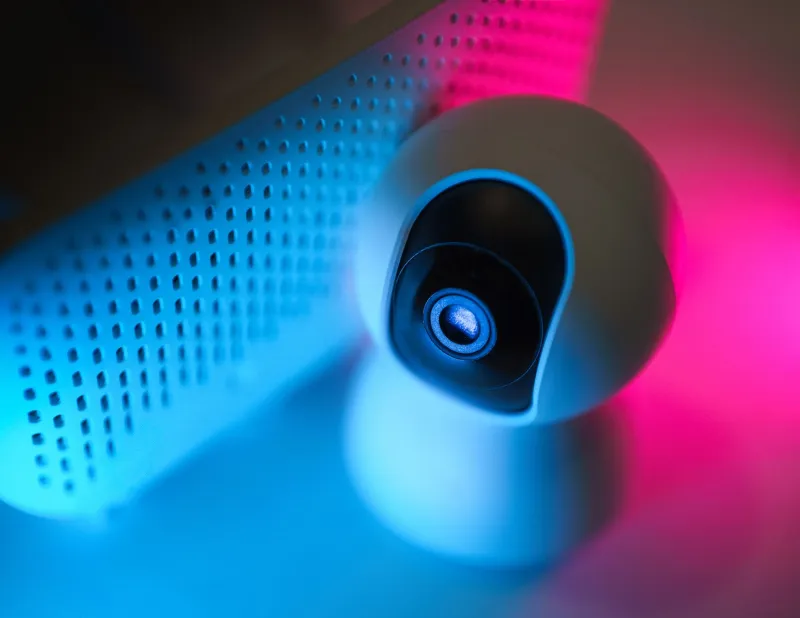
While American tech giants race to embed voice assistants into everything from refrigerators to bathroom mirrors, a growing contingent of Japanese audio engineers and consumer electronics designers are asking a different question entirely: does this device actually need to hear you?
More often than not, their answer is no.
The Default Assumption Nobody Questioned
The always-on microphone became a design default so gradually that most people in Silicon Valley stopped noticing it happened. A smart speaker needed one, obviously. Then a TV. Then a laptop. Then a thermostat. Then a washing machine. The logic, as it was sold to consumers, was simple: voice is the most natural interface. Friction is the enemy. Why press a button when you can just speak?
Japan's audio engineering community has a few pointed responses to that line of thinking.
First, friction isn't always bad. Second, voice is not universally the most natural interface — that depends enormously on context, culture, and the specific task at hand. And third, a microphone that's always listening is not a neutral design choice. It's a surveillance decision dressed up as convenience.
Takashi Nomura, a hardware designer at a mid-sized Tokyo electronics firm who has spent fifteen years working on consumer audio products, puts it plainly: "When we add a microphone, we are not just adding a feature. We are making a promise to the user about what happens to their voice. Most companies don't want to have that conversation, so they just don't."
Acoustic Philosophy as Privacy Philosophy
In Japan, there's a long design tradition around the concept of ma — the meaningful use of negative space, of what is deliberately not there. Applied to product design, this philosophy asks engineers to consider absence as a feature, not a flaw.
The decision to omit an always-on microphone isn't just about privacy compliance or regulatory caution (though Japan's evolving data protection landscape certainly plays a role). It's rooted in a deeper acoustic design principle: every input channel you add to a device introduces noise, latency, and potential for misinterpretation. A microphone that isn't there cannot mishear you. It cannot be hacked. It cannot be subpoenaed.
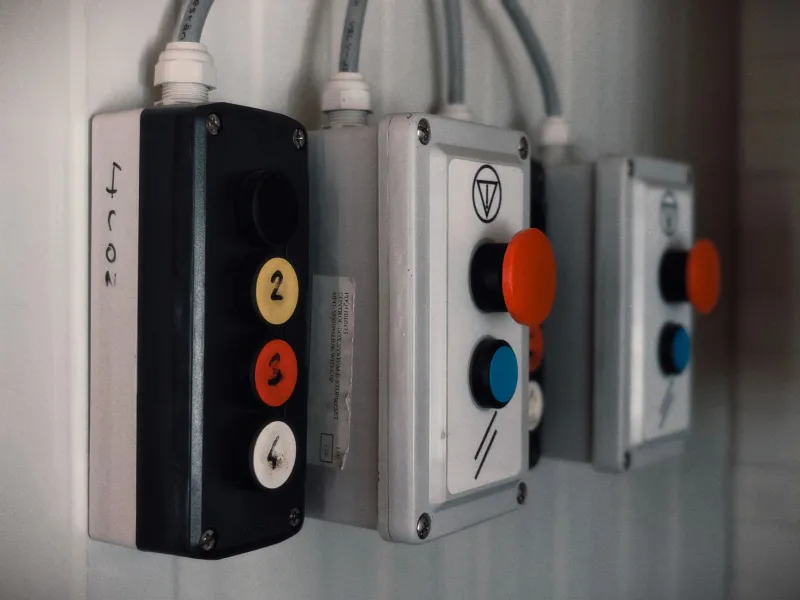
Several Tokyo-based labs are now building what they call "intentional input" devices — products that activate voice recognition only when a user performs a deliberate physical action, like pressing a dedicated hardware button or placing a device in a specific orientation. The voice processing happens locally, on-device, and the microphone is hardware-disabled at all other times.
This isn't new technology. It's a new choice.
What American Consumers Are Starting to Notice
Here's the uncomfortable data point: trust in voice-activated technology among American consumers has been quietly eroding for years. A 2023 survey from the Pew Research Center found that more than half of US adults are uncomfortable with smart speakers in their homes, primarily over concerns about ambient recording. Sales of dedicated smart speakers have plateaued. The category that was supposed to be the future of home computing is stalling.
And yet the industry response has largely been to add more microphones, improve wake-word detection, and promise — again — that data is safe.
Japanese engineers watching this dynamic from the outside find it almost baffling. "The American approach is to solve a trust problem with better technology," says one audio researcher at a Kyoto-based acoustics lab. "Our approach is to solve a trust problem by not creating it in the first place."
That distinction matters more than it might seem. Trust built through restraint is structurally different from trust built through reassurance. One requires users to believe in a company's intentions. The other requires nothing from the user at all.
The Acoustic Design Case (Beyond Privacy)
Set aside privacy entirely for a moment — the engineering argument against always-on microphones is compelling on its own terms.
Ambient noise processing is extraordinarily difficult. Open-mic devices in real home environments pick up TV audio, kitchen sounds, conversations between family members, and the ambient hum of HVAC systems. The computational overhead required to filter all of that, identify a wake word reliably, and then accurately parse a command is significant. It drains batteries. It generates heat. It increases the complexity of every other system on the device.
Japanese product designers, who have long operated under tight constraints around device size, battery life, and thermal management — partly due to Japan's dense urban housing and partly due to a cultural emphasis on refined, minimal hardware — tend to treat that complexity as a cost that requires justification, not a default.
"Every feature competes with every other feature for resources," explains a hardware lead at a consumer electronics startup in Shibuya. "A microphone that is always listening is taking something from every other part of the product. You have to decide if that trade is worth it."
For a growing number of Tokyo's product teams, it isn't.
What This Means for the American Market
The US tech industry is not going to abandon voice interfaces. That's not the point. But the Japanese model offers something genuinely useful: a framework for treating the microphone as a deliberate design element rather than a reflexive one.
Some American startups are already picking up the signal. A handful of independent hardware companies have launched products in the last two years explicitly marketed as "mic-free" or "hardware-private" — and the response from consumers has been notably warm, particularly among buyers who've already equipped their laptop cameras with physical covers.
The deeper lesson from Tokyo's audio engineers isn't anti-technology. It's pro-intention. It's the idea that the most sophisticated thing a design team can do is ask, clearly and honestly, what a feature is for — and have the confidence to leave it out when the answer isn't good enough.
In a product landscape where everything is getting louder and more demanding, building something that knows when to stay quiet might be the most radical move left.