Human Curation in the Age of the Algorithm: What Tokyo's Last Great Gadget Shops Know That Amazon Doesn't
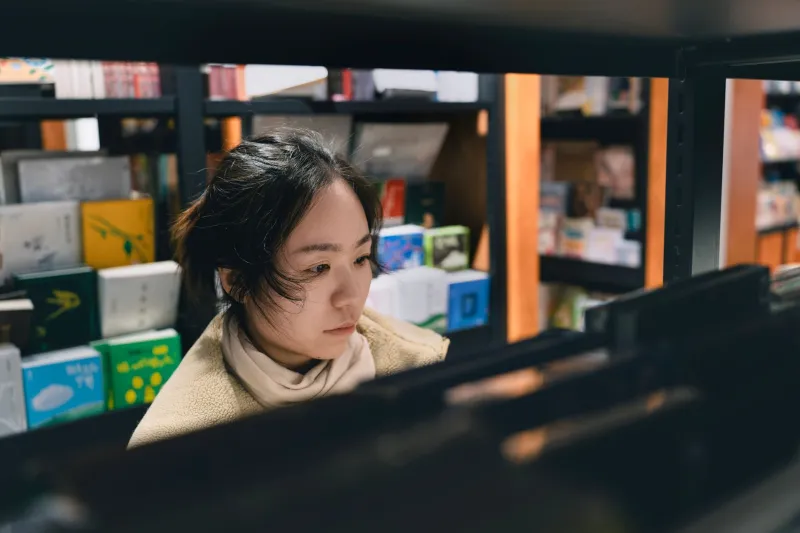
The shop is maybe 300 square feet. Floor-to-ceiling shelves. A hand-lettered sign in the window that translates, roughly, as "We will help you find the right one." The owner has been here for twenty-three years. He knows every product in the store, including the ones he doesn't stock anymore and why.
On a Tuesday afternoon, there's a line.
This is not a nostalgia story. This is a story about what happens when an algorithm-saturated retail economy leaves a gap that only a human being can fill — and the small, brilliant shops in Tokyo that have built an entire business model around that gap.
The Algorithm Economy's Dirty Secret
Amazon's recommendation engine is, by any technical measure, impressive. It processes purchase history, browsing patterns, regional trends, and real-time inventory data to surface products you might want. And yet, if you've ever tried to buy something genuinely specialized — a microphone for a specific recording environment, a keyboard switch for a particular typing style, a camera lens for an unusual use case — you've probably felt the recommendation engine's fundamental limitation.
It knows what people like you bought. It has no idea what you need.
This distinction is not subtle. It is, in fact, the entire problem. Algorithmic recommendation is pattern-matching at scale. Expert human curation is contextual reasoning applied to a specific person's specific situation. These are not the same thing, and no amount of machine learning has closed the gap in domains where nuance matters.
Tokyo's specialist electronics retailers have, perhaps accidentally, built their survival strategy around exactly this gap.
Akihabara and Beyond: A Retail Ecosystem That Refused to Die
Akihabara is the famous one — the neon-drenched electronics district that's been a global pilgrimage site for tech enthusiasts since the postwar era. But the more interesting story is happening in less photogenic neighborhoods: in Nakameguro, in Shimokitazawa, in small storefronts tucked into the back streets of Shinjuku, where independent retailers have carved out highly specific niches and defended them with expertise.
These aren't generalist electronics stores competing on selection or price. They're specialists. One shop stocks only analog audio equipment and carries a curated selection of perhaps forty products, all of which the owner can explain in detail. Another focuses exclusively on mechanical input devices — keyboards, trackballs, specialty mice — and the staff can discuss the tactile characteristics of every switch on the shelf from memory.
A third, run by a former Sony engineer in his sixties, sells only what he describes as "honest cameras" — film and digital cameras that he personally tests and vouches for, with a strict policy against stocking anything he wouldn't use himself.
None of these shops are cheap. None of them offer next-day delivery. All of them have waiting lists for certain products.
The UX of Being Known
There's a user experience concept buried in how these shops operate that American retail has largely forgotten how to deliver: the experience of being understood as a customer.
When you walk into a well-run specialist shop in Tokyo, the interaction that follows is not a transaction. It's closer to a consultation. The staff member asks questions. They listen to your answers. They push back if your stated preference doesn't match your described use case. They might recommend something you've never heard of, or talk you out of the thing you came in to buy.
This is, from a UX perspective, a dramatically higher-quality experience than scrolling through 847 results sorted by "relevance" while trying to decode the difference between a 4.3-star and a 4.4-star rating from reviewers whose use cases you know nothing about.
The Japanese concept of omotenashi — a form of hospitality that anticipates needs rather than simply responding to them — is often cited in tourism contexts, but it maps cleanly onto retail. A shopkeeper practicing omotenashi isn't waiting for you to ask the right question. They're trying to understand what you actually need, which may be different from what you asked for.
Why This Survives in Japan (And Barely Exists in America)
Several structural factors make this model more viable in Japan than in the US. Dense urban geography means foot traffic is real and reliable. A cultural premium on expertise and craftsmanship makes customers more willing to pay for the knowledge embedded in a recommendation. And a strong tradition of shokunin — the dedicated craftsperson who spends a career mastering a specific domain — gives specialist retail a cultural legitimacy it struggles to find in American consumer culture, where generalism and scale are more typically rewarded.
But the structural gap between the two markets is smaller than it used to be. American consumers are increasingly exhausted by the e-commerce experience. Return rates for online purchases now hover around 20-30% in many categories, a direct measure of how badly algorithmic recommendation is performing. Review fatigue is real. The paradox of choice is real. And a growing segment of American buyers — particularly in audio, photography, cycling, cooking, and other gear-intensive hobbies — are actively seeking out human expertise.
The American shops that have figured this out tend to look a lot like their Tokyo counterparts: small, specialist, opinionated, and staffed by people who use what they sell.
The Recommendation That Sticks
Here's the thing about a great recommendation from a knowledgeable human: it tends to be right. And when it's right, it creates a customer relationship that no algorithm can replicate, because the memory isn't of a purchase — it's of a person who helped you.
The owner of that 300-square-foot shop in Tokyo has customers who have been coming back for fifteen years. They don't come back because the prices are competitive. They come back because he told them to buy the thing that turned out to be exactly right, and they've never forgotten it.
That's not a retail strategy Amazon can copy. It can't be A/B tested into existence or optimized with a better training dataset. It requires a human being who knows their domain deeply, cares about the outcome for the customer, and has enough integrity to tell you when the product you want isn't the product you need.
In a world drowning in options and starving for guidance, that might be the most valuable thing a shop can offer. Tokyo figured this out before the algorithm economy arrived. America is starting to remember it now.